Ask any athlete when an acute back spasm, hamstring strain, or shoulder tweak actually happens, and it is almost never at 10:30 AM on a Tuesday. It happens at 9:45 PM during a men’s league hockey game, at 6:15 AM on the last warm-up set of deadlifts before commuting down Butterfield Road, or on a Saturday afternoon tournament court when traditional medical offices have already forwarded their phones to voicemail until Monday morning.
In sports medicine and physical rehabilitation, the first 24 to 48 hours after a musculoskeletal flare-up represent a critical clinical window—both physiologically and psychologically. When an injured athlete or busy professional calls a clinic and hits a dead-end voicemail box or a six-minute hold queue, two counterproductive things happen: anxiety spikes (often driving unnecessary urgent-care X-ray visits for straightforward mechanical pain), and early movement guidance gets delayed while protective muscle guarding sets in.
Across high-performance physical therapy, chiropractic, and longevity clinics in 2026, solving this bottleneck has sparked a major operational shift: pairing unhurried, hands-on 1-on-1 clinical care on the turf with instant 24/7 AI receptionist and smart intake scheduling behind the scenes.
1. The Hidden Clinical Tradeoff of Traditional Front-Desk Phone Bottlenecks
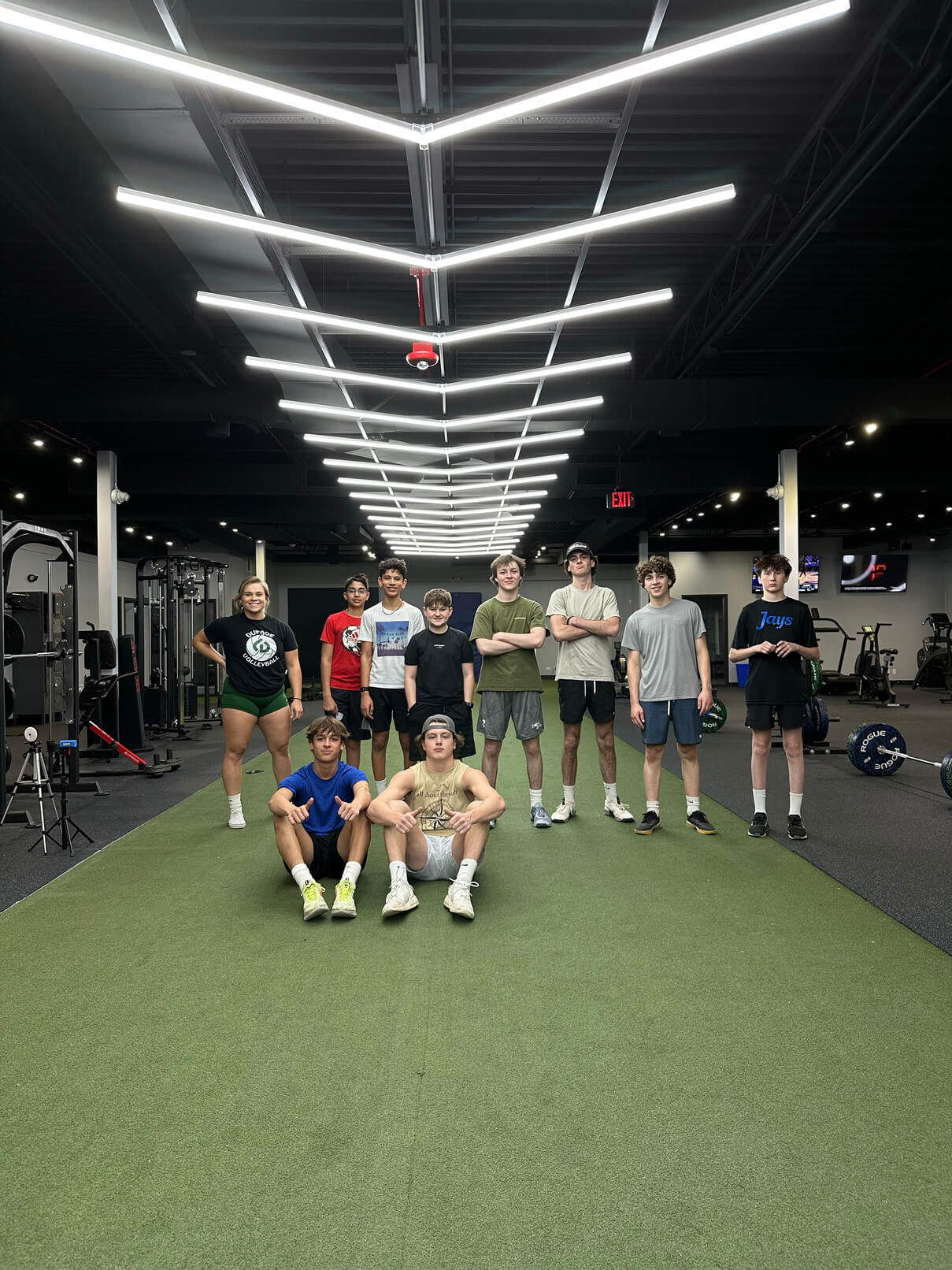
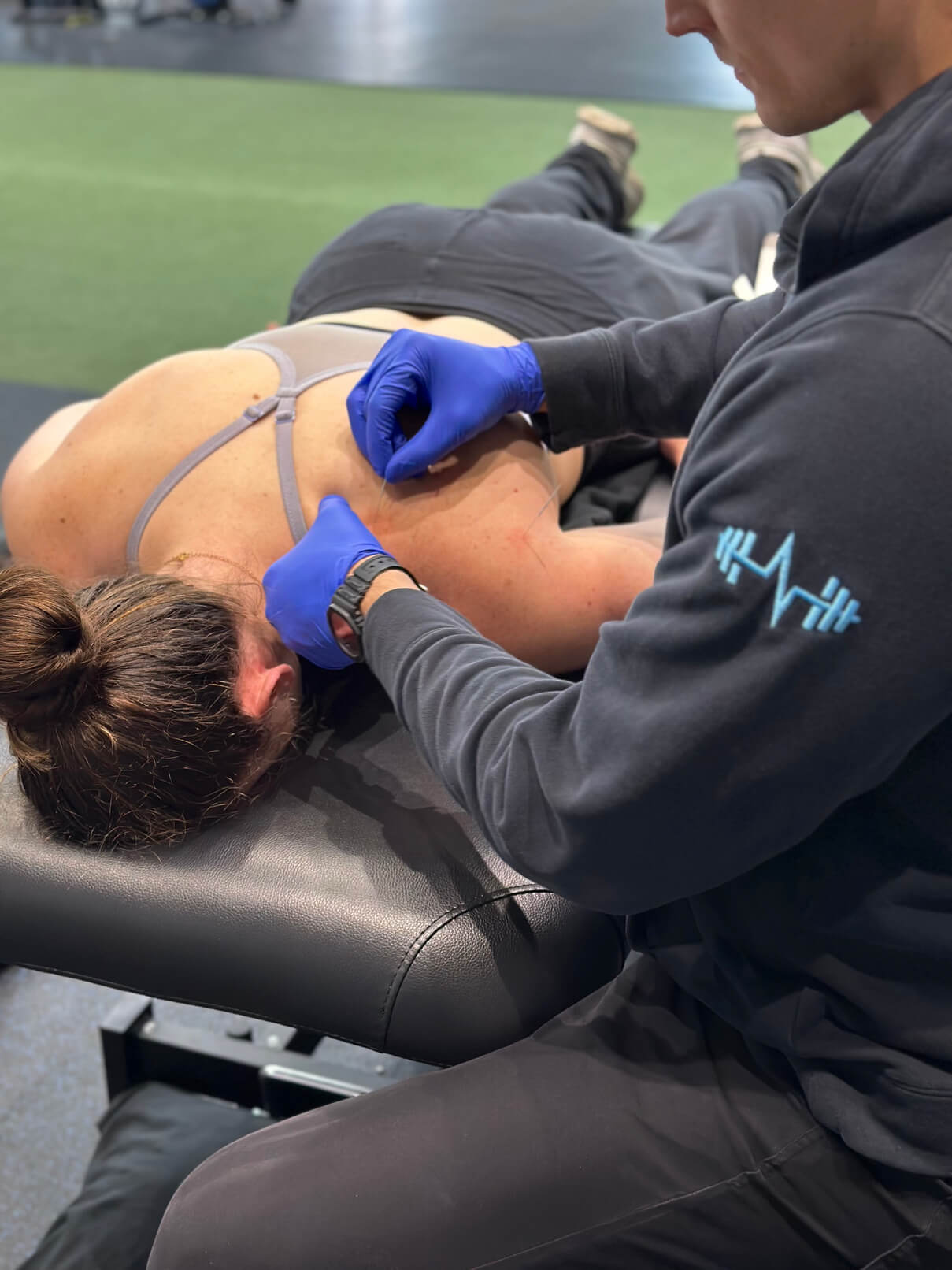
In high-volume corporate physical therapy mills, administrative staff juggle three ringing lines while checking in four patients per hour. By contrast, boutique performance clinics—like our model here at Synaptyx Health & Performance—are intentionally built around deep, undivided clinical attention. When a Doctor of Physical Therapy or Chiropractic Physician is cueing a college athlete through single-leg force absorption or performing precision dry needling in a private treatment room, stepping out to answer routine phone questions is out of the question.
Yet even with dedicated front-desk support during business hours, clinic call volume clusters in predictable surges:
- 7:00 AM – 8:30 AM Commute Window: Patients trying to reschedule or book same-week acute evaluations before back-to-back meetings begin.
- 12:00 PM – 1:15 PM Lunch Rush: Four simultaneous callers asking about BCBS or Aetna network eligibility, Illinois Direct Access rules, or youth athlete evaluations.
- 6:30 PM – 10:30 PM Post-Practice & Evening Hours: Nearly 35% to 40% of modern outpatient rehab and performance inquiries originate outside standard clinic desk hours.
2. Why Early Triage & Rapid Evaluation Improve Rehab Outcomes
Sports rehabilitation research consistently demonstrates that early access to movement-based physical therapy reduces total episode cost, lowers unnecessary advanced imaging and prescription medication use, and accelerates return-to-sport timelines. When a patient tweaks their lumbar spine or sprains an ankle on Friday evening and secures a confirmed Monday morning evaluation slot within ninety seconds—complete with clear intake instructions—stress drops immediately.
Instead of spending the weekend immobilizing a joint that actually benefits from gentle pain-free range of motion, the patient knows exactly who they are seeing, where to park, what athletic clothing to bring, and how their insurance or HSA benefits apply.
3. How 24/7 AI Receptionists Support—Never Replace—Human Clinicians
Patients hate robotic, press-1-for-hours phone trees almost as much as they hate unreturned voicemails. Modern conversational voice and SMS intake systems—such as the healthcare and service-clinic automation built by Izee AI—operate completely differently from legacy IVR menus. Rather than walling patients off from human care, a well-trained clinic AI receptionist handles repetitive logistical friction instantaneously so clinicians spend 100% of their energy with the human in front of them:
- Zero-Hold-Time Answering, 24/7/365: Whether three callers dial simultaneously at noon or an athlete calls at 10:15 PM Sunday night, every call is answered on the first ring in a calm, natural voice.
- Specialty-Aware Routing: A golfer asking about rotational low-back stiffness and Titleist Performance Institute (TPI) screening has different scheduling needs than a post-op ACL athlete needing 1-on-1 Physical Therapy or a collegiate hockey player inquiring about offseason speed blocks. Smart intake matches patient goals to the right provider calendar automatically.
- Instant Insurance & Direct-Access Clarity: Callers immediately receive accurate answers to clinic-specific policies—such as accepted plans (BCBS, Aetna, United/UMR, Medicare), cancellation windows, and referral requirements—without playing two days of phone tag.
- Red-Flag Escalation Guardrails: Properly engineered clinical intake workflows never diagnose over the phone; instead, they recognize urgent neurological or trauma red flags (such as progressive extremity numbness, post-concussion symptoms, or suspected fracture) and instruct callers toward appropriate immediate medical evaluation while flagging urgent messages for the clinical director.
4. Designing Natural, Empathetic Clinic Intake Scripts
The difference between an AI scheduling assistant that feels cold and one that patients genuinely appreciate comes down to script architecture. High-performing sports rehab and longevity clinics structure their intake prompts around four patient-first principles:
- Acknowledge the Goal or Discomfort First: An athlete calling about knee pain wants to hear empathy and competence (“Let’s get you matched with one of our physical therapists or chiropractors right away”) before being asked for a zip code.
- Keep Intake Questions Concise (Under 60 Seconds): Capture primary body region or training goal, insurance vs. self-pay/HSA preference, and preferred morning or afternoon availability—saving lengthy medical history forms for secure digital pre-visit onboarding.
- Send Instant SMS Confirmation: Follow every booked call with a clean text confirmation containing clinic suite directions, what to wear for movement screening, and a one-tap reschedule link.
- Provide Seamless Human Transfer During Clinic Hours: Whenever a complex clinical or billing nuance arises, transfer smoothly with full context so the caller never has to repeat their story twice.
Clinic owners and practice managers curious how modern conversational call flows are structured across outpatient healthcare and performance studios can test custom call scenarios using the free Izee AI Receptionist Script Generator.
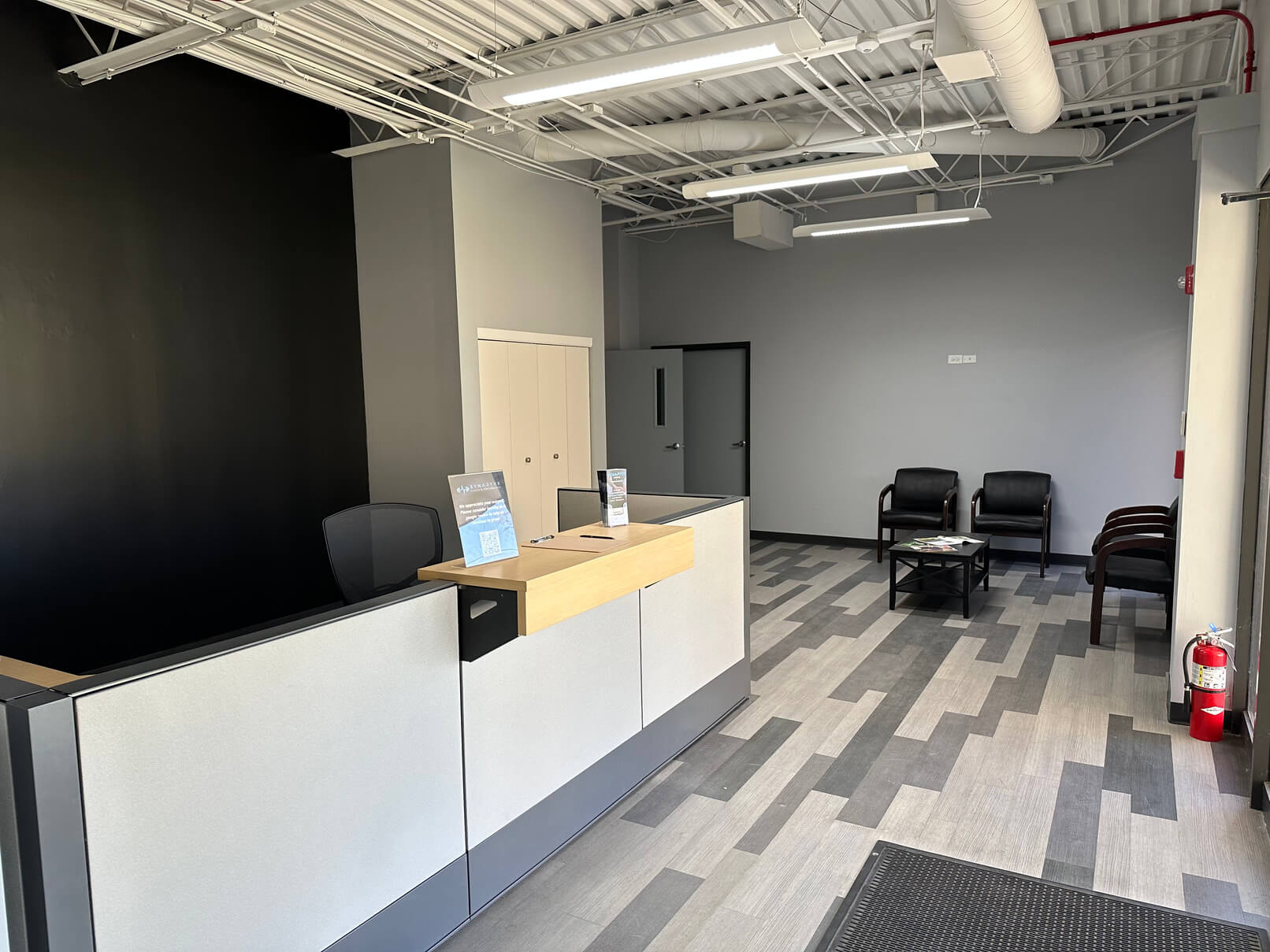
5. Raising the Standard for Patient Experience in Oakbrook Terrace
At Synaptyx, our standard has always been simple: bridge the gap between clinical sports medicine and elite athletic training without the assembly-line friction of traditional healthcare. Respecting our patients’ time before they ever step onto our turf is part of that same commitment.
Experience Frictionless Care & Elite Coaching: Ready to resolve nagging pain, rehab an injury, or elevate your offseason output? Book your appointment online anytime or reach out to our Oakbrook Terrace clinic—we’ll get you moving toward your potential without the wait.