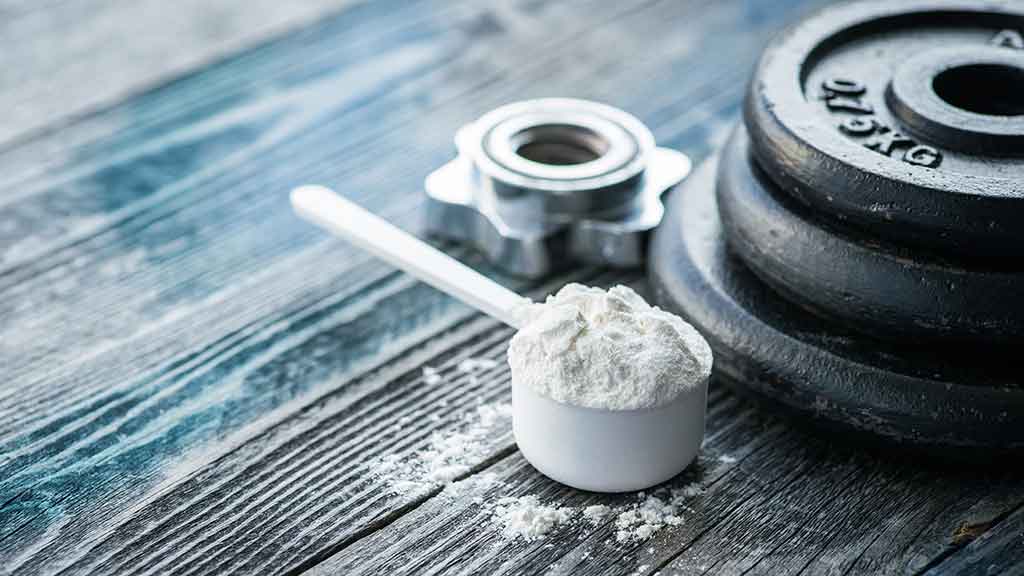
Creatine monohydrate stands as one of the most extensively researched and scientifically validated supplements in sports nutrition. Despite decades of evidence supporting its efficacy and safety, misconceptions about creatine persist. This article cuts through the noise to explain what creatine actually does and why it deserves consideration in your supplementation strategy.
What Is Creatine?
Creatine is a naturally occurring compound found primarily in muscle tissue and synthesized in the body from amino acids. It plays a crucial role in the phosphocreatine energy system, which provides immediate energy for high-intensity, short-duration activities. When you supplement with creatine, you increase your muscles' phosphocreatine stores, enhancing your capacity for explosive efforts.
Performance Benefits
The research on creatine's performance benefits is overwhelming:
- Increased Strength and Power: Creatine supplementation consistently demonstrates improvements in maximal strength, power output, and work capacity during resistance training.
- Enhanced Training Volume: By buffering fatigue during high-intensity exercise, creatine allows for more total work completed in training sessions.
- Improved Recovery: Studies indicate that creatine may reduce muscle damage markers and accelerate recovery between training bouts.
- Lean Mass Gains: Creatine supports muscle hypertrophy through both increased training capacity and direct cellular mechanisms.
The Bottom Line
Creatine monohydrate is an evidence-based, cost-effective, and safe supplement with robust support for enhancing strength, power, muscle mass, recovery, and potentially cognitive function. If you're serious about performance optimization, creatine deserves a place in your nutrition protocol.